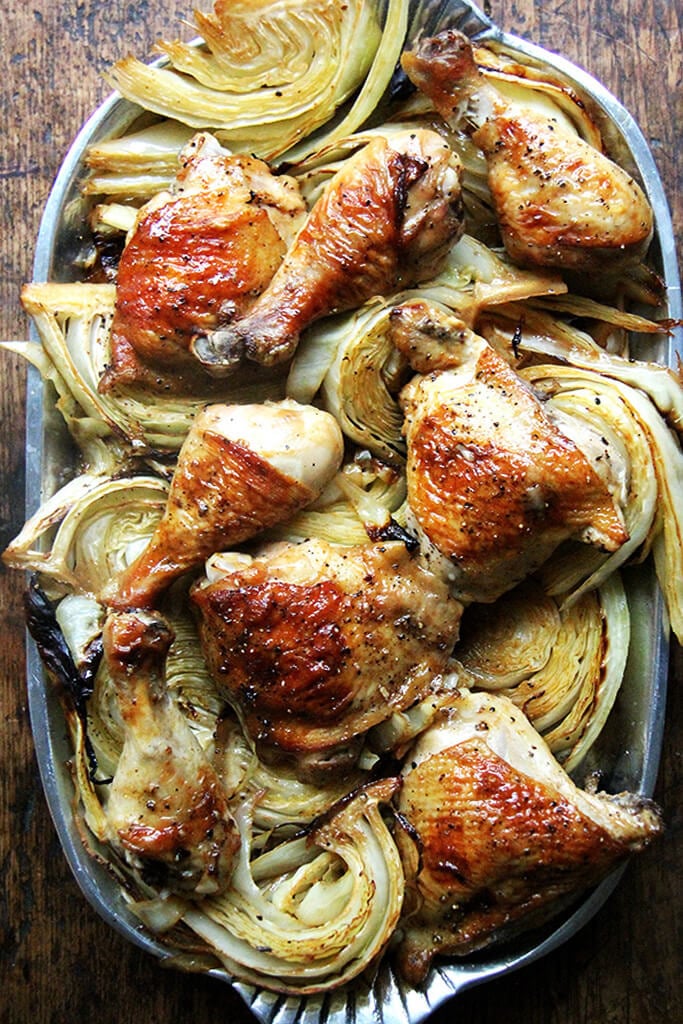
Staggered Roasting: The Secret to Unforgettable Sheet Pan Roast Chicken & Cabbage
The allure of a
sheet pan supper is undeniable: a complete, delicious meal cooked on a single pan, promising minimal fuss and easy cleanup. It’s the culinary equivalent of a weeknight superhero. Yet, many home cooks experience a common frustration: while the concept sounds like "set it and forget it," the reality often falls short. Proteins might be perfectly cooked, but vegetables are either soggy or raw. Or, vice versa. The key to unlocking truly perfect results, especially for a dish as delightful as
sheet pan roast chicken cabbage, lies in a sophisticated yet simple technique: staggered roasting.
This method transforms a good sheet pan meal into an extraordinary one, ensuring every component — from the juicy, crispy-skinned chicken to the sweet, tender, and caramelized cabbage — reaches its peak perfection. Forget the compromise; embrace the art of precision timing for a dinner that delivers on every promise.
The Sheet Pan Paradox: Convenience Versus Culinary Perfection
While the promise of a single-pan dinner is incredibly appealing, the "set it and forget it" approach often overlooks a fundamental truth of cooking: different ingredients have different cooking times, densities, and desired textures. If you throw chicken thighs, robust root vegetables, and delicate greens onto a pan at the same time, you're almost guaranteed to overcook some elements and undercook others. The goal for a perfect
sheet pan roast chicken cabbage is to achieve succulent chicken with crackling skin, alongside cabbage that’s both tender within and wonderfully crisp and browned at the edges. This requires a nuanced approach.
Imagine the hot air in your oven. When a pan is crowded with various ingredients, air circulation is impeded. This is especially detrimental to browning, which relies on consistent, dry heat contacting the food's surface. Moisture released by vegetables can steam the protein, preventing that coveted crispy exterior. Staggered roasting addresses these challenges head-on, allowing each ingredient its moment in the spotlight.
Mastering the Staggered Roasting Technique for Chicken & Cabbage
The brilliance of this method for
sheet pan roast chicken cabbage lies in its simplicity, despite its profound impact on the final dish. Here’s how to execute it flawlessly, transforming your meal into a symphony of textures and flavors:
Phase 1: Chicken Takes Center Stage (Approx. 10 Minutes)
Begin with your chicken. For this recipe, chicken thighs and drumsticks are ideal choices. Their higher fat content ensures they remain incredibly juicy even at higher temperatures, and their bone-in structure contributes to richer flavor. Toss the chicken pieces in a flavorful dressing – a sesame-soy blend, perhaps with a kick of Sriracha – ensuring they are well-coated.
Place the dressed chicken directly on the sheet pan, leaving ample space around each piece. This initial roasting period, with the chicken alone, is critical. Unimpeded by vegetables, the hot air can circulate freely around the chicken, initiating the browning process and rendering the skin beautifully crisp. The high heat encourages the Maillard reaction, developing deep, savory flavors and that desirable golden-brown crust.
Phase 2: Cabbage Joins the Party (Approx. 20 Minutes)
After the chicken has had its head start – typically around 10 minutes – it's time to introduce the cabbage. Cut into wedges or thick slices, the cabbage should also be tossed in the same delicious sesame-soy dressing.
Carefully arrange the cabbage around and even slightly underneath the chicken pieces. This strategic placement serves multiple purposes. Firstly, it allows the cabbage to begin cooking, softening and absorbing the savory dressing. More importantly, as the chicken continues to roast, it releases flavorful drippings and juices directly onto and around the cabbage. This is an "unsung boon," as described in our inspiration, infusing the cabbage with an incredible depth of chicken flavor that would otherwise be lost. The cabbage literally cooks *in* the essence of the chicken, creating an unparalleled synergy of taste.
Phase 3: Cabbage's Solo Encore (Approx. 10 Minutes, Plus Chicken Resting)
Once the chicken is fully cooked (typically after about 20 minutes with the cabbage), remove it from the sheet pan to a cutting board or plate to rest. Resting is crucial for chicken; it allows the juices to redistribute throughout the meat, resulting in a more tender and succulent final product.
While the chicken rests, the cabbage continues its journey alone on the sheet pan. With the chicken removed, the cabbage now has full exposure to the oven's heat. Its surfaces can crisp and caramelize unhindered, developing those coveted browned edges and a delightfully sweet, tender interior. Any pooled juices on the pan, now concentrated with chicken drippings and dressing, will reduce and intensify, clinging to the cabbage and creating incredibly rich bites. This final solo roast brings the cabbage to its peak, ensuring it's not merely cooked but *perfectly* cooked. In about 40 minutes total, you'll have a dinner that truly sings.
Crafting the Perfect Flavors: Dressing & Beyond
The success of your
sheet pan roast chicken cabbage hinges not just on technique, but also on flavor. A vibrant dressing can elevate the entire dish. The sesame-soy dressing mentioned in our context—featuring coconut oil, sesame oil, soy sauce, and Sriracha—is an excellent blueprint.
* **Coconut Oil:** Adds a subtle richness and helps with browning. Olive oil can be a good substitute.
* **Sesame Oil:** Provides an unmistakable nutty, aromatic depth that defines the Asian-inspired profile.
* **Soy Sauce:** Delivers umami, saltiness, and helps tenderize the chicken.
* **Sriracha:** Offers a pleasant heat, balancing the richness and sweetness. Adjust to your preferred spice level.
Flavor Enhancements & Considerations:
*
Aromatics: Freshly minced ginger and garlic are natural additions that would significantly boost the flavor profile. Add them directly to the dressing.
*
Acidity: A squeeze of fresh lime or orange juice, or a splash of rice vinegar, can brighten the flavors and cut through the richness.
*
Spice Variations: Experiment with red pepper flakes for extra heat, or a pinch of five-spice powder for an even more complex Asian flair.
*
Sweeteners: Use caution with sweeteners like honey or brown sugar. Even a small amount can accelerate browning to the point of burning before other ingredients are fully cooked. If you desire a touch of sweetness, consider adding a tiny drizzle in the last 5-10 minutes of cooking or after the dish is out of the oven.
*
Versatility: This dressing isn't limited to chicken and cabbage! It works wonderfully with other vegetables like sweet potatoes, parsnips, or butternut squash, and proteins such as steak, fish, pork, or even tofu or tempeh, demonstrating the adaptability of sheet pan cooking.
Essential Tips for Sheet Pan Success
Beyond the staggered roasting technique, a few additional practices will ensure your
sheet pan roast chicken cabbage, and indeed any sheet pan supper, is consistently excellent:
*
Assess Your Ingredients: Before you even preheat the oven, consider each component. How long does chicken typically take? How dense is the cabbage? This mental assessment helps you plan your "staggering" strategy effectively. Root vegetables, for instance, generally need more time than florets of broccoli.
*
Uniformity in Cutting: While not strictly necessary for this chicken and cabbage recipe (chicken pieces are whole, cabbage in wedges), for mixed vegetable sheet pans, aim for similarly sized pieces. This ensures everything cooks at roughly the same rate once it's on the pan.
*
Don't Crowd the Pan: Give your ingredients space! A crowded pan leads to steaming rather than roasting, preventing browning and creating soggy results. If necessary, use two sheet pans.
*
Lining for Easy Cleanup: For truly minimal cleanup, line your sheet pan with parchment paper or foil. Parchment paper is generally preferred as it prevents sticking and promotes better browning than foil, which can trap steam. A thin layer of neutral oil directly on the pan also works surprisingly well.
*
Strategic Oven Rack Placement: Generally, the middle rack is ideal for even cooking. However, if you find your protein isn't browning enough, moving the pan to a higher rack (closer to the top heating element) for the last few minutes can help. Conversely, a lower rack might be better for denser vegetables needing more thorough cooking from the bottom up.
*
Utilize the Broiler: If everything is cooked through but lacks that final touch of golden crispness, a quick stint under the broiler (just a minute or two, *watched very closely!*) can work wonders, adding char and texture.
The journey to perfect sheet pan meals is one of understanding and applying smart techniques. By embracing staggered roasting, you’re not just cooking; you’re orchestrating a culinary performance. The result is an amazing
crispy chicken, caramelized cabbage that embodies the best of sheet pan cooking.
The Ultimate One-Pan Wonder
The humble sheet pan, when used strategically, can yield extraordinary results. By adopting the staggered roasting technique for your
sheet pan roast chicken cabbage, you move beyond mere convenience to achieve genuine culinary excellence. You'll be rewarded with chicken that's incredibly juicy with gloriously crisp skin, and cabbage that's sweet, tender, and beautifully caramelized, all infused with rich, concentrated flavors from the dressing and chicken drippings. This simple timing adjustment is the "unsung boon" that elevates a good meal to a truly memorable one, proving that a little thoughtful planning can deliver impressive, delicious, and still incredibly easy weeknight dinners.